

Location details

Borgo Biandone, Busca, CN
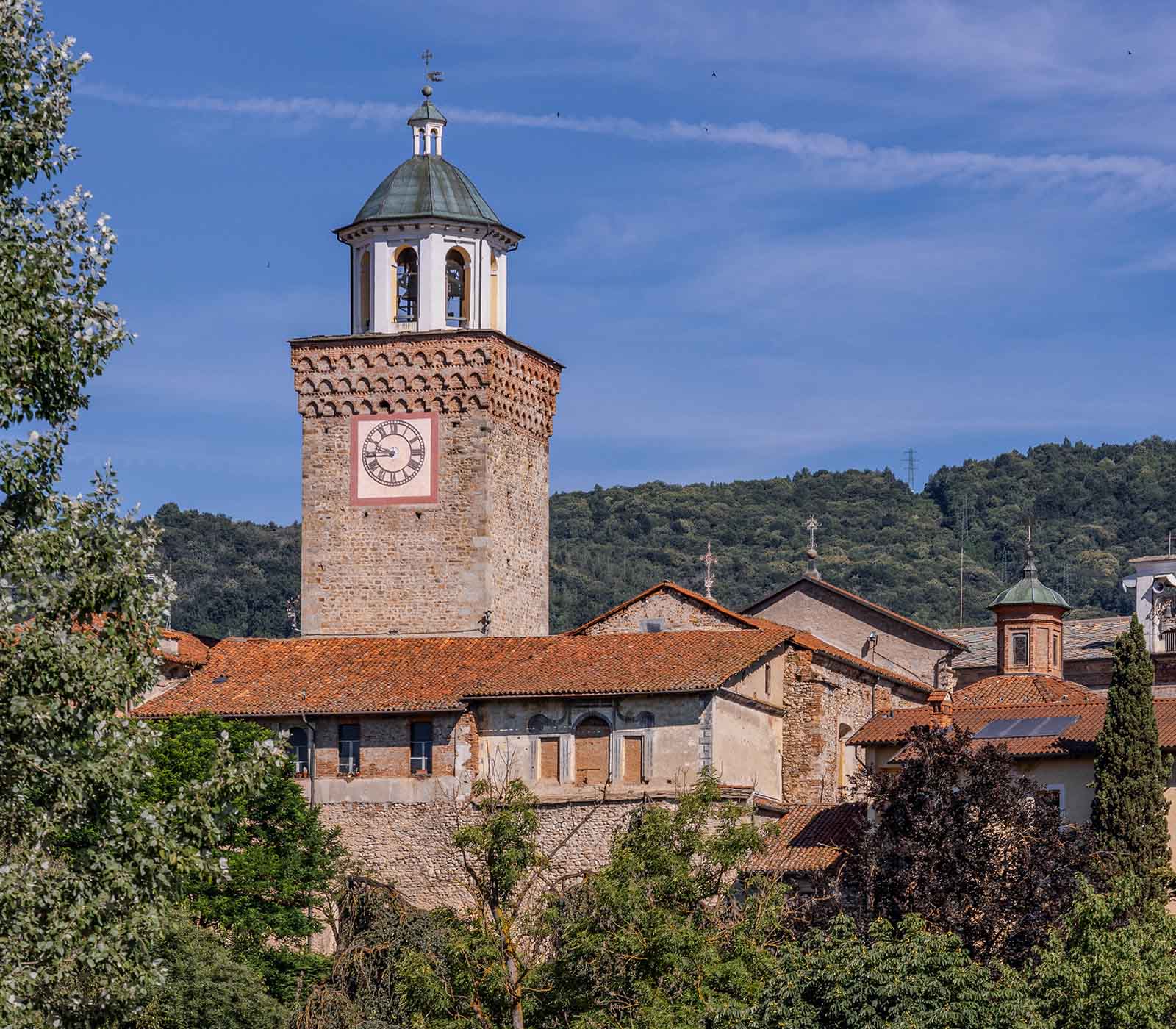
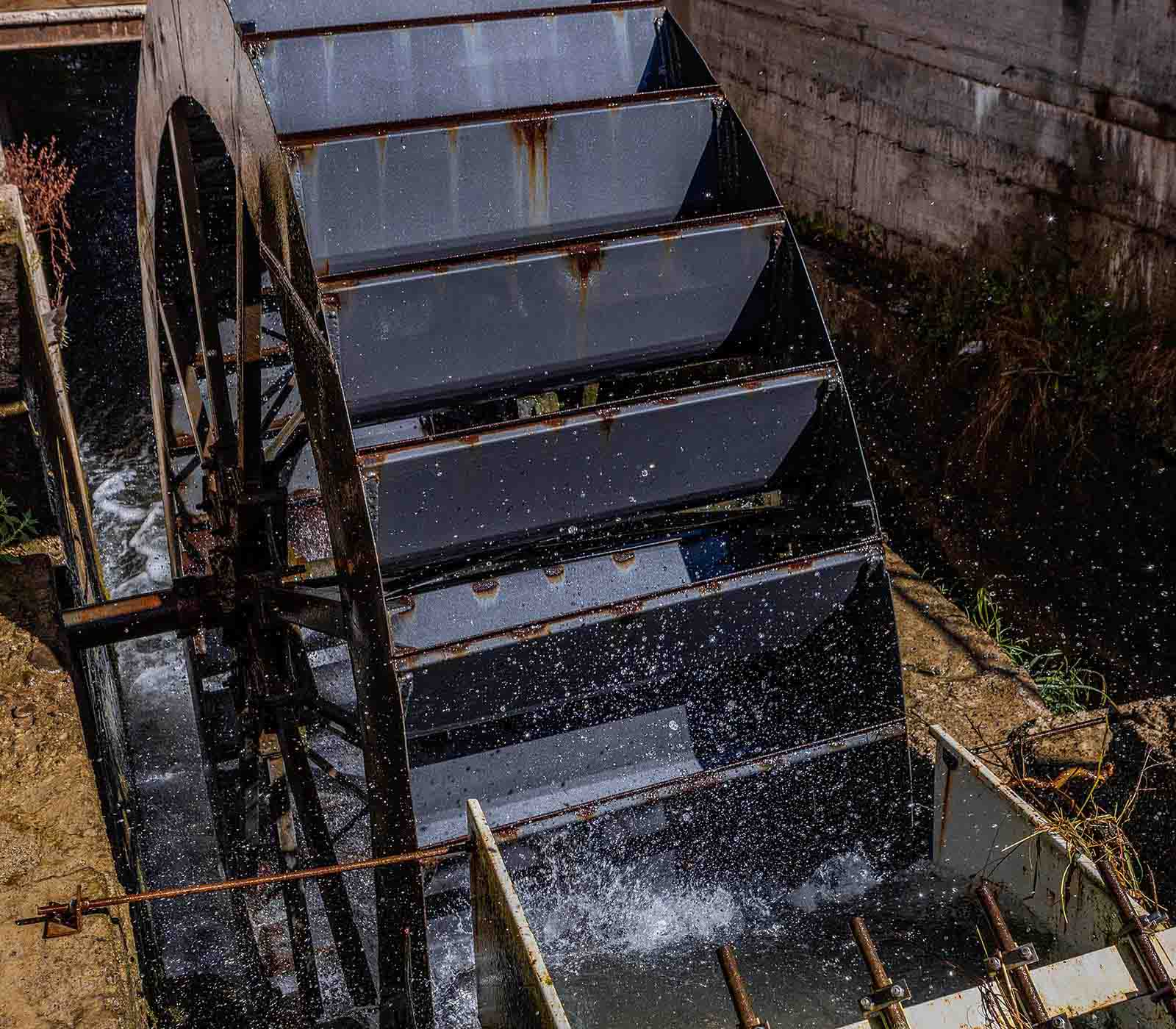
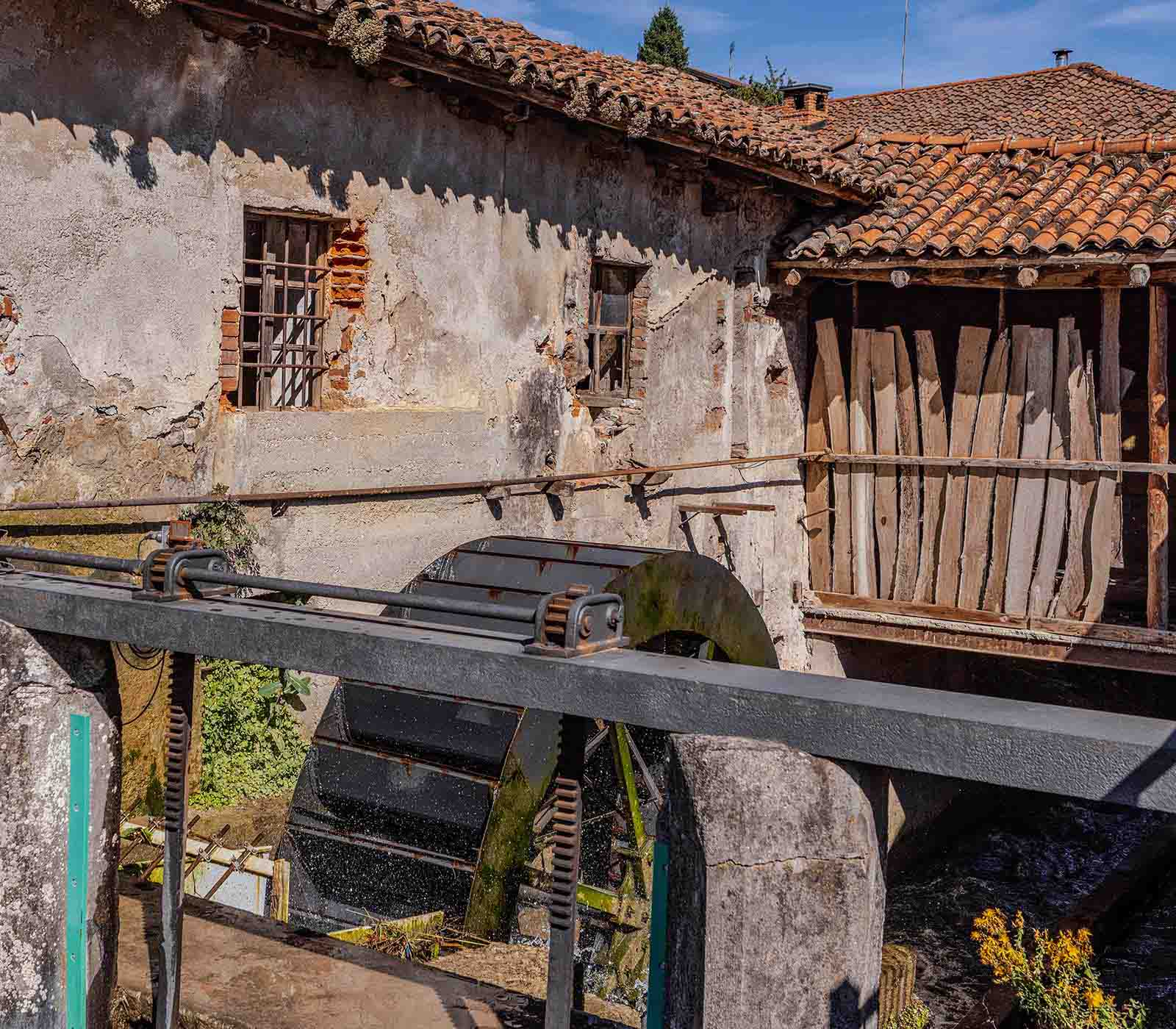
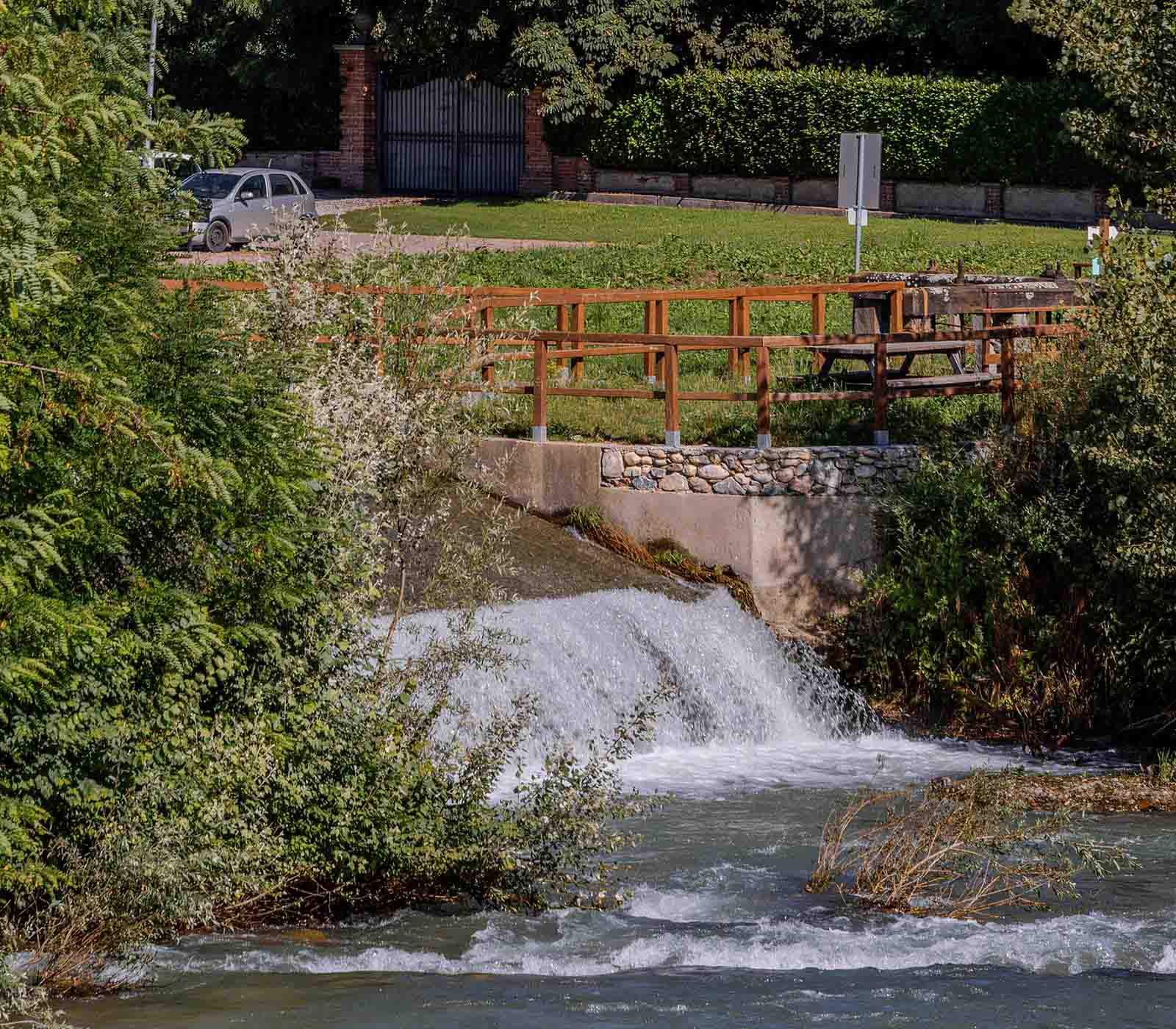
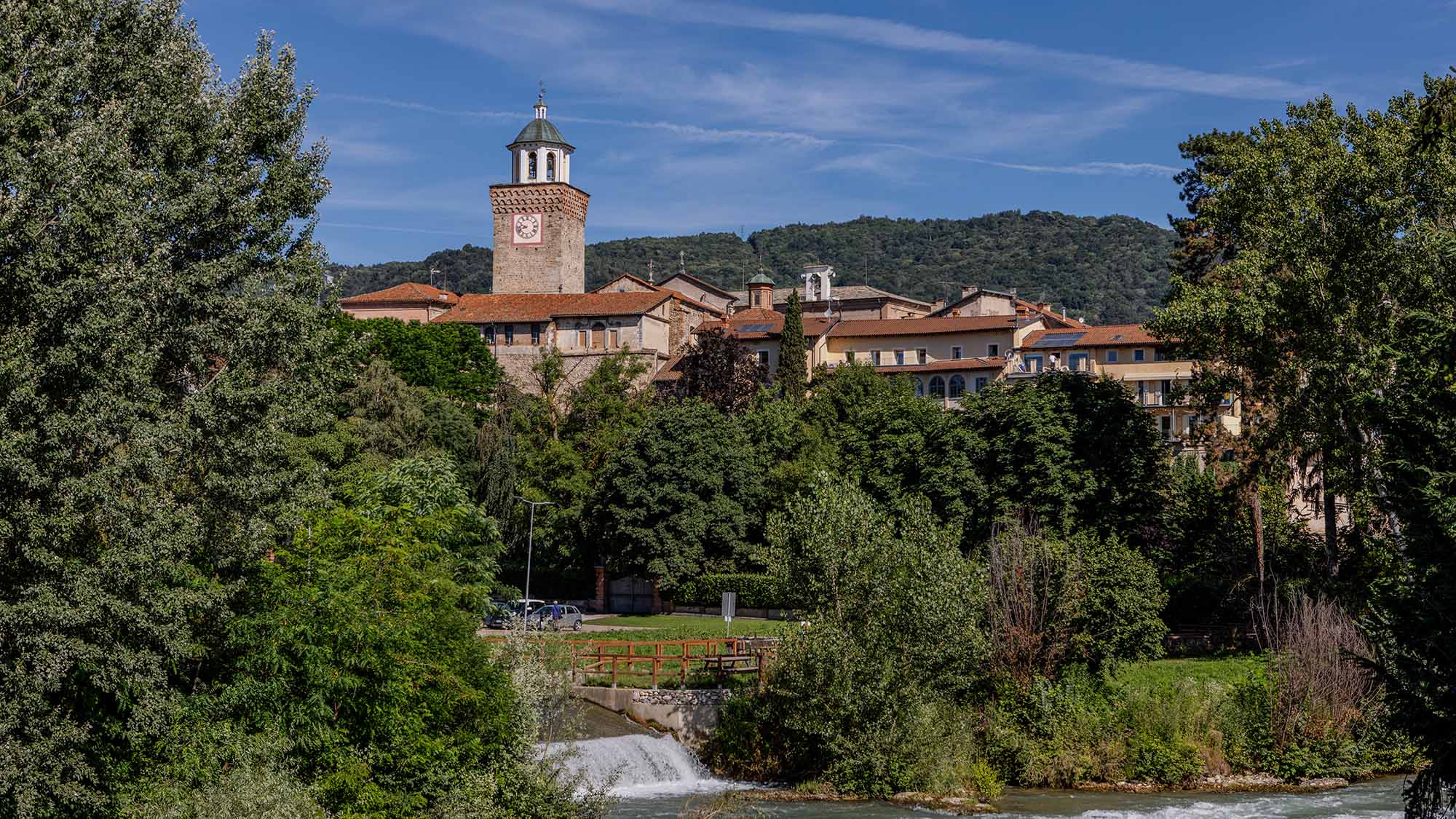
Behind the “Rossa”, the Biandone descent leads to the Borgo, an area that emerged in the early 15th century as Busca’s “industrial” district, with its silk mill, grain husking facility, sawmill, rope-making workshop, and various other types of workshops. Many of these activities used the water of the Morea Canal as their driving force; by turning the various ‘water wheels’, it set the machinery of these enterprises in motion. Two significant examples of this use of water remain today: the former Pianca forge and part of the former sawmill, the latter owned by the ‘Canale Morea - Attissano’ Irrigation Consortium.
From the 15th century, the local lords, the Counts of Morea, began silk production using water wheels. The silk mill, undergoing steady development, flourished greatly in the 18th century, when the stone building on the Maira was constructed. It produced silk of the highest quality, famous even in America. The factory closed during the Second World War, when the last owners, the Sinigaglia family, who were Jewish, were forced to flee. Near the silk mill, the ancient Roman bridge, rebuilt in a later period, crosses the Maira.