


Be
like
Busca
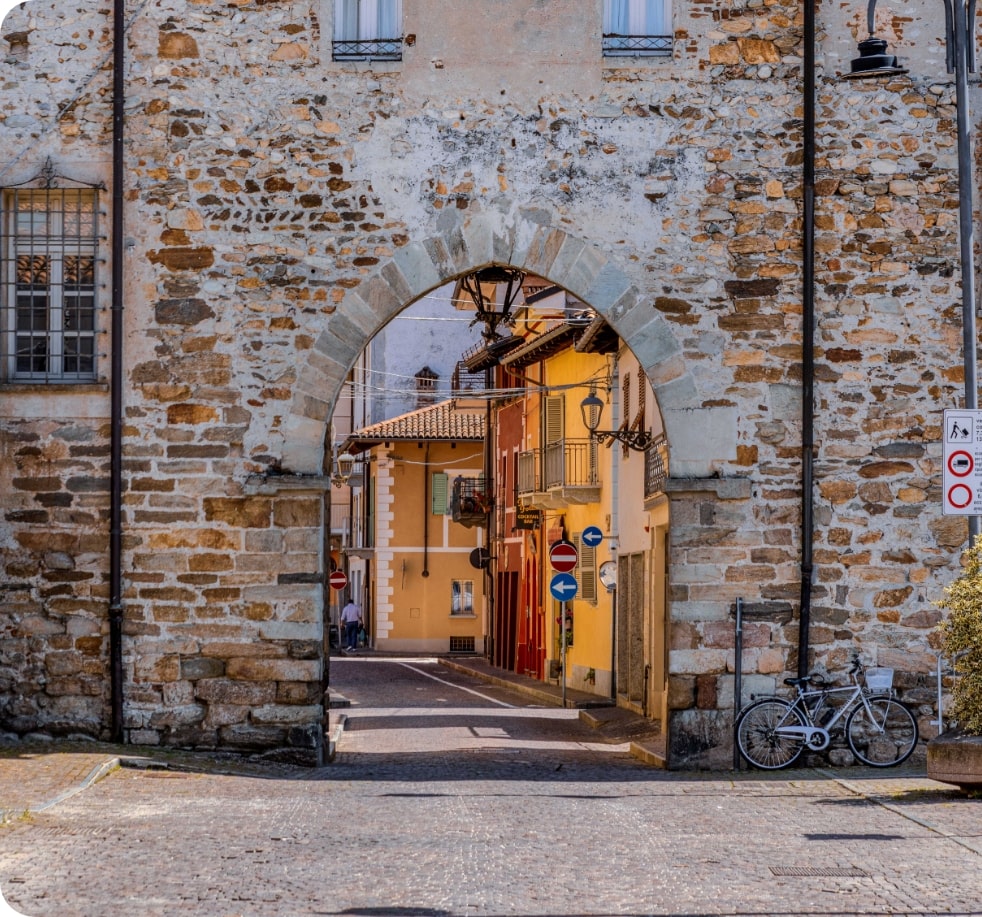
"Be like Busca" is an invitation to be inspired by the authentic soul of this town and become part of its world of culture, nature and tradition.
Here, every corner tells stories of generations, every path opens up to evocative views and every event celebrates the value of "once upon a time".
Busca
tells its story
Taking part in life in Busca means sharing enthusiasm for the little things, rediscovering the pleasure of contact with nature, art, culture and local traditions.
Be like Busca: discover, explore and let yourself be surprised.
Be
like
Busca Outdoor
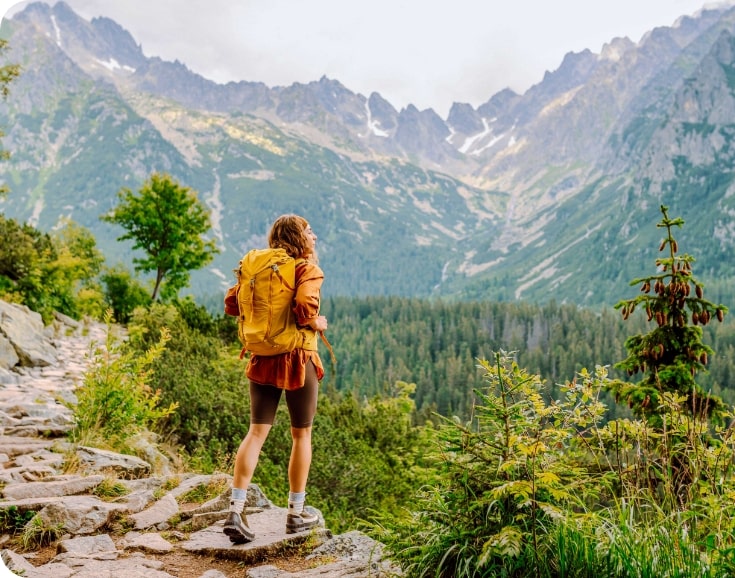
Surrounded by nature, stretching from the hills and plains of Cuneo to the mountains towards Valmala, Busca offers a wide range of outdoor activities that attract nature, sports and adventure enthusiasts. These include hiking, trekking, mountain biking, climbing, road cycling and cross-country skiing.
Be
like
Busca Religious Itineraries
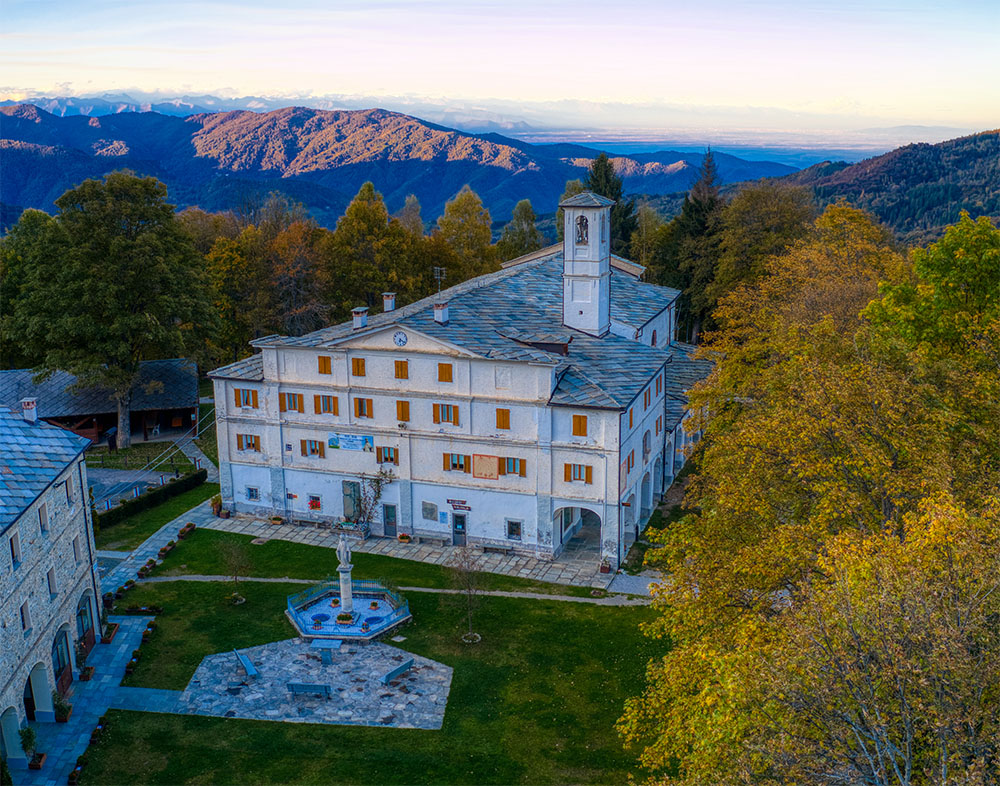
Busca is an important starting point for exploring evocative religious itineraries that lead to sacred, historic and authentic places. Two destinations of particular spiritual significance are the Sanctuary of Valmala and the Sanctuary of San Mauro.
Be
like
Busca Events
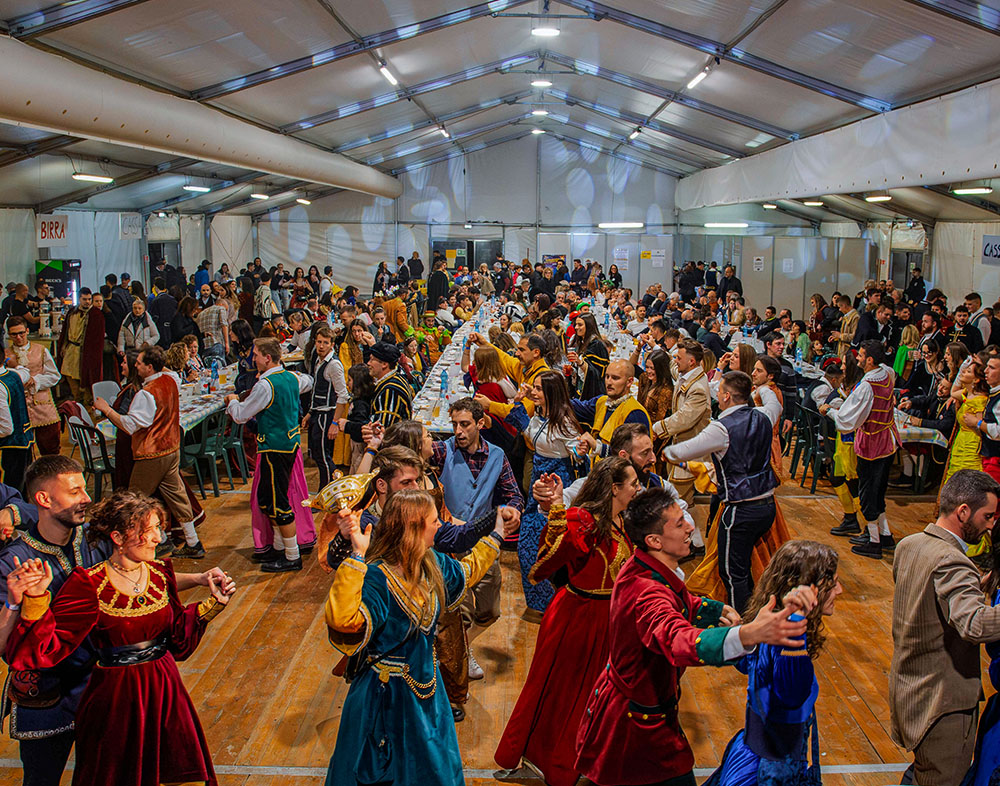
Busca is renowned for its cultural traditions and popular events. Among the most important is the Carlevé 'd Busca, which will celebrate its 70th edition in 2025. This is Busca's most iconic festival, featuring the historical masks of “Micon and Miconetta”, “Panaté”, “Bela Panatera” and “Birichin".
Be
like
Busca Art and Culture
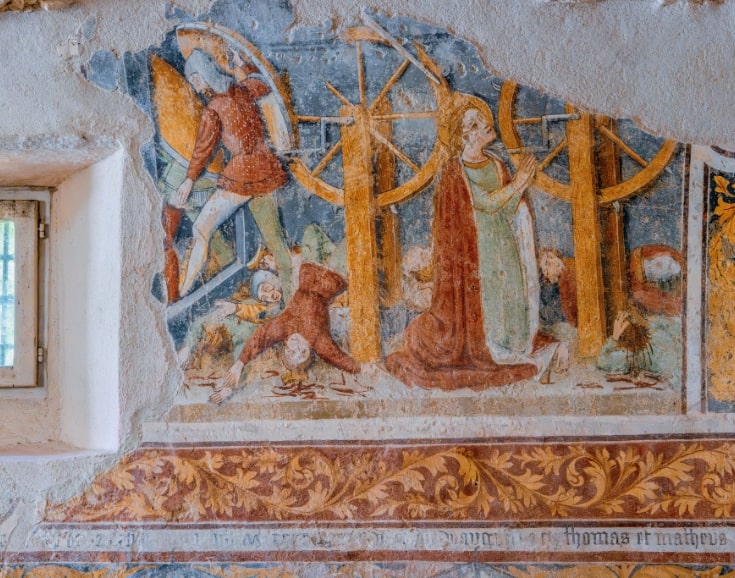
Among Busca's artistic gems are the neo-Gothic Roccolo Castle, the chapels frescoed by the Biazaci family, and the three churches in the historic centre: the Parish Church, the ‘Rossa’ (Red Church), and the ‘Bianca’ (White Church). With their architectural details and interior decorations, these landmarks bear witness to the town's deep religious and artistic tradition, offering visitors a complete cultural experience.
History of the town of Busca
The name Busca appears for the first time in a document dated 6 December 1123, but its history goes back even further. In the countryside around the hamlet of San Martino, in fact, artefacts (reed huts and tools) dating back to the late Bronze Age, the second millennium BC, have been unearthed. Subsequently, in 1950, a Roman necropolis was discovered in the foothills and on Mount Pagliano. The theory that the name Busca derives from the fact that it was founded on the banks of the Maira following the burning of Bella Antilia, the mythical name of the ancient settlement, appears to be nothing more than a legend.
Timeline
Discover the historical treasures of Busca!
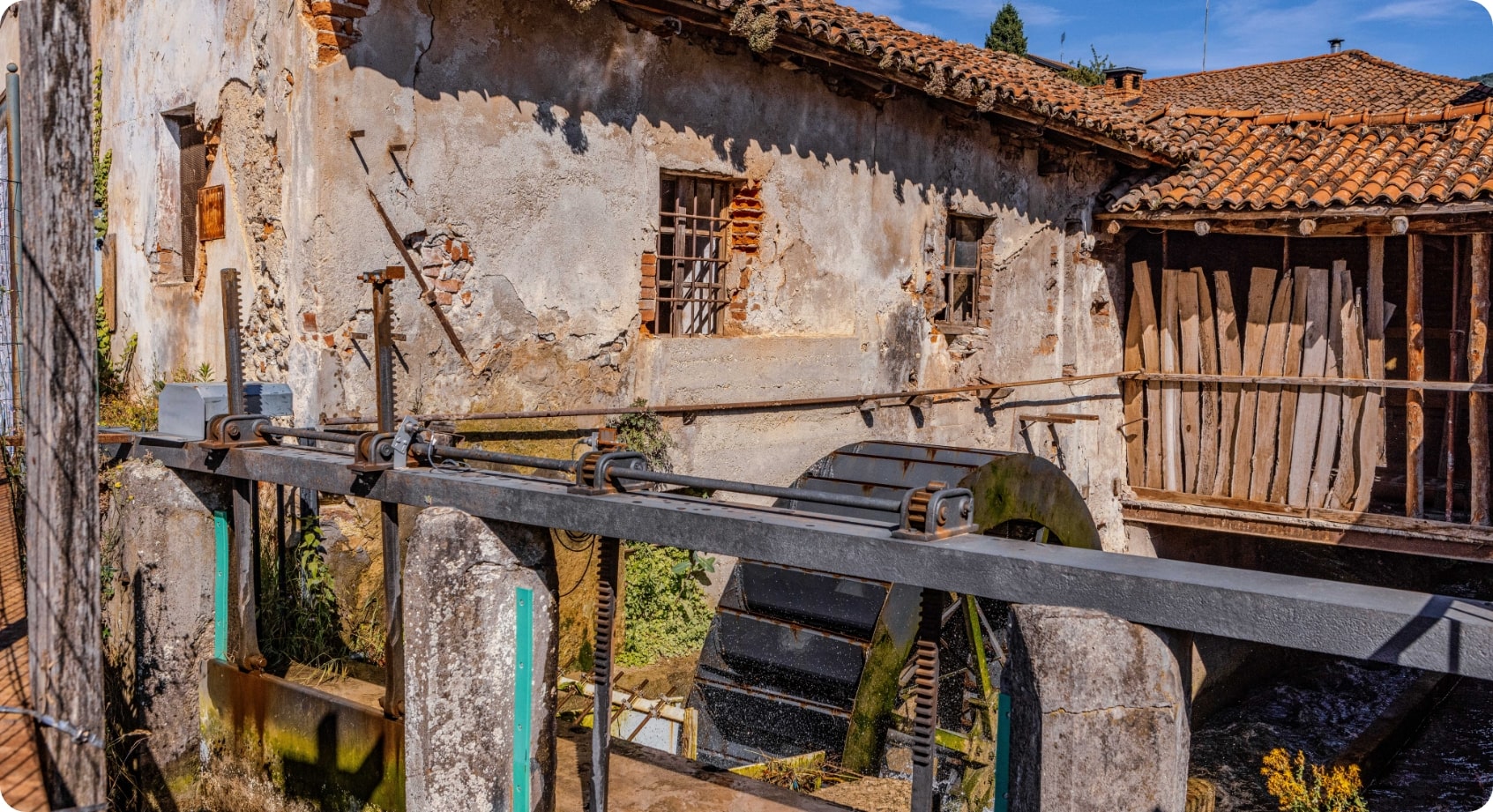
Discover the beauty and history of Busca! Immerse yourself in centuries of art and culture by visiting its historic monuments. From the majestic Castello del Roccolo to the ancient churches and squares, passing by Casa Francotto on your way to the Parco-Museo dell’Ingenio, every corner of Busca tells a story just waiting to be discovered. Come and stroll through the timeless streets of this Piedmontese town and become part of its history.
Be like Busca!


