


BE LIKE BUSCA RELIGIOUS ITINERARIES
Religious itineraries and
ancient churches
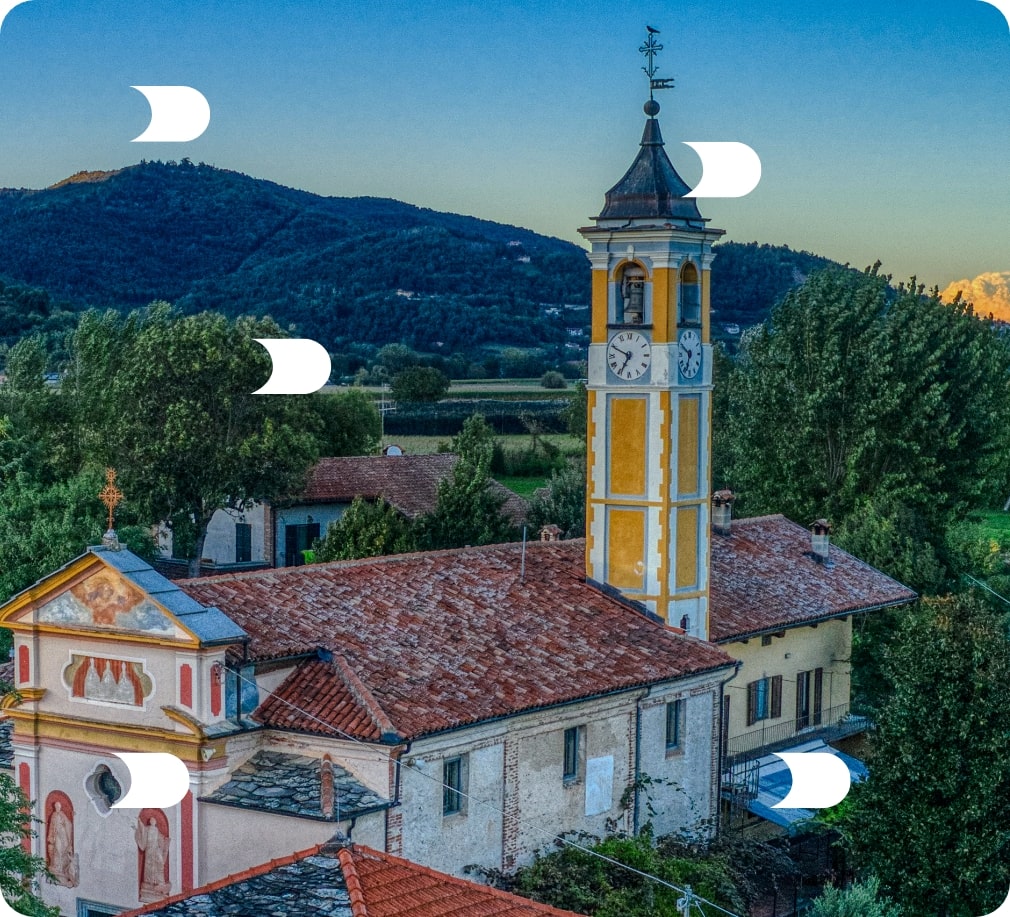
Busca is a starting point for exploring picturesque religious routes leading to sacred, historic and authentic sites. Two destinations of particular spiritual significance are the Sanctuary of Valmala and the Sanctuary of San Mauro.
Historical routes
and ancient churches
Visit ancient churches and sacred sites that bear witness to centuries of devotion and tradition: enjoy an experience of spirituality and contemplation.
The Sanctuary of Valmala
Location details

Valmala Sanctuary
Piedmont, Province of Cuneo, Valmala

Accesso parcheggio

SCARICA DETTAGLIO
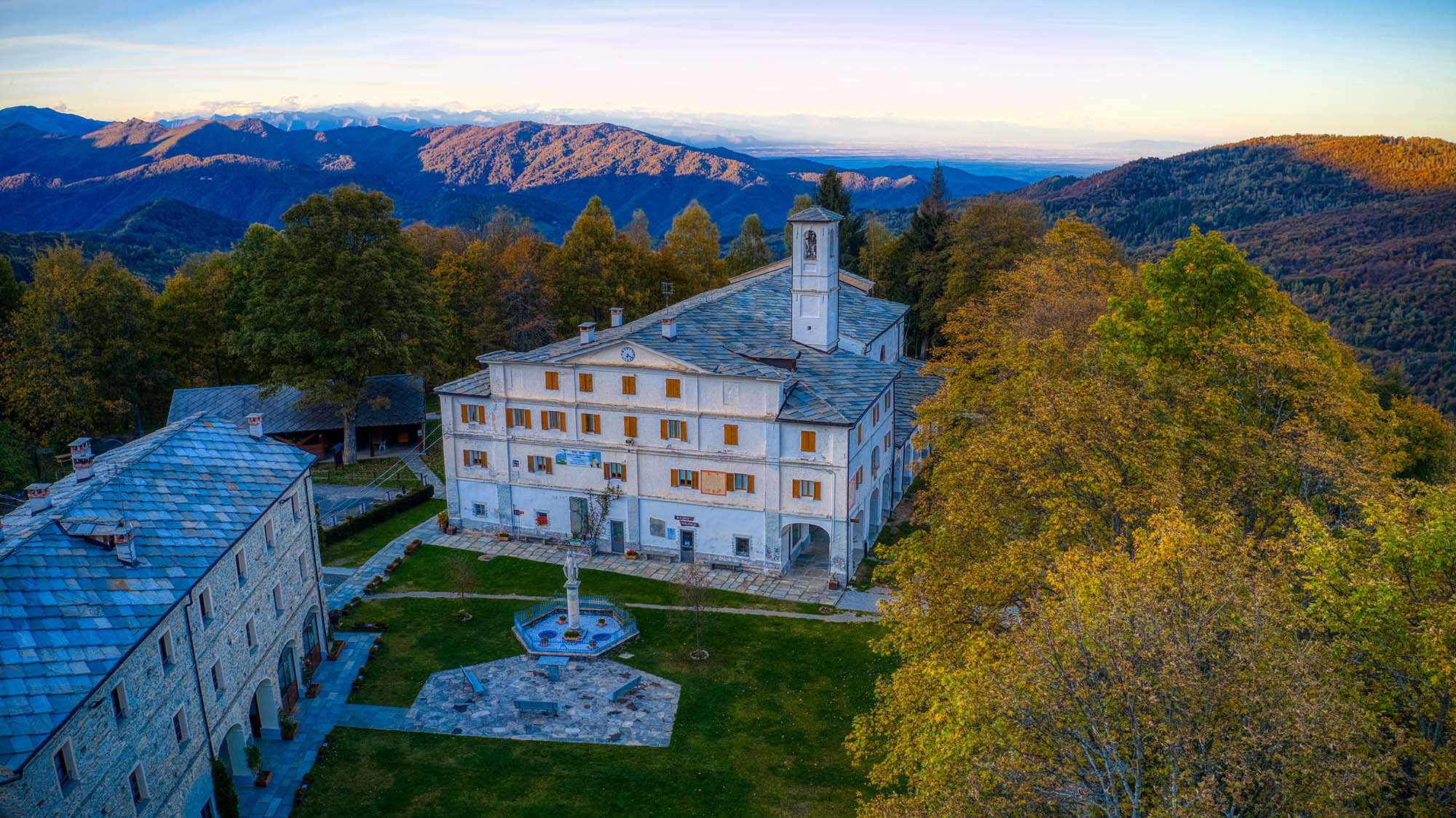
It stands in the Valmala Valley on a plateau at an altitude of 1,380 metres above sea level and has a documented history stretching back centuries, which tells of the presence of the Knights Templar and the Knights of Malta. The Sanctuary is dedicated to Mary, Mother of Mercy. According to tradition, on 5 August 1834, the Virgin Mary first appeared to four young shepherdesses aged around 12. In a subsequent apparition, it is said that the Virgin Mary walked around the site without touching the ground, but leaving a white mark, interpreted as the perimeter of the future sanctuary.
The architecture is simple, with white plaster and the main façade facing the village. The complex comprises the rectory, the church and a portico.
The Sanctuary of San Mauro
Location details
The Sanctuary of St Mauro
Castelletto Busca
Accesso parcheggio
SCARICA DETTAGLIO
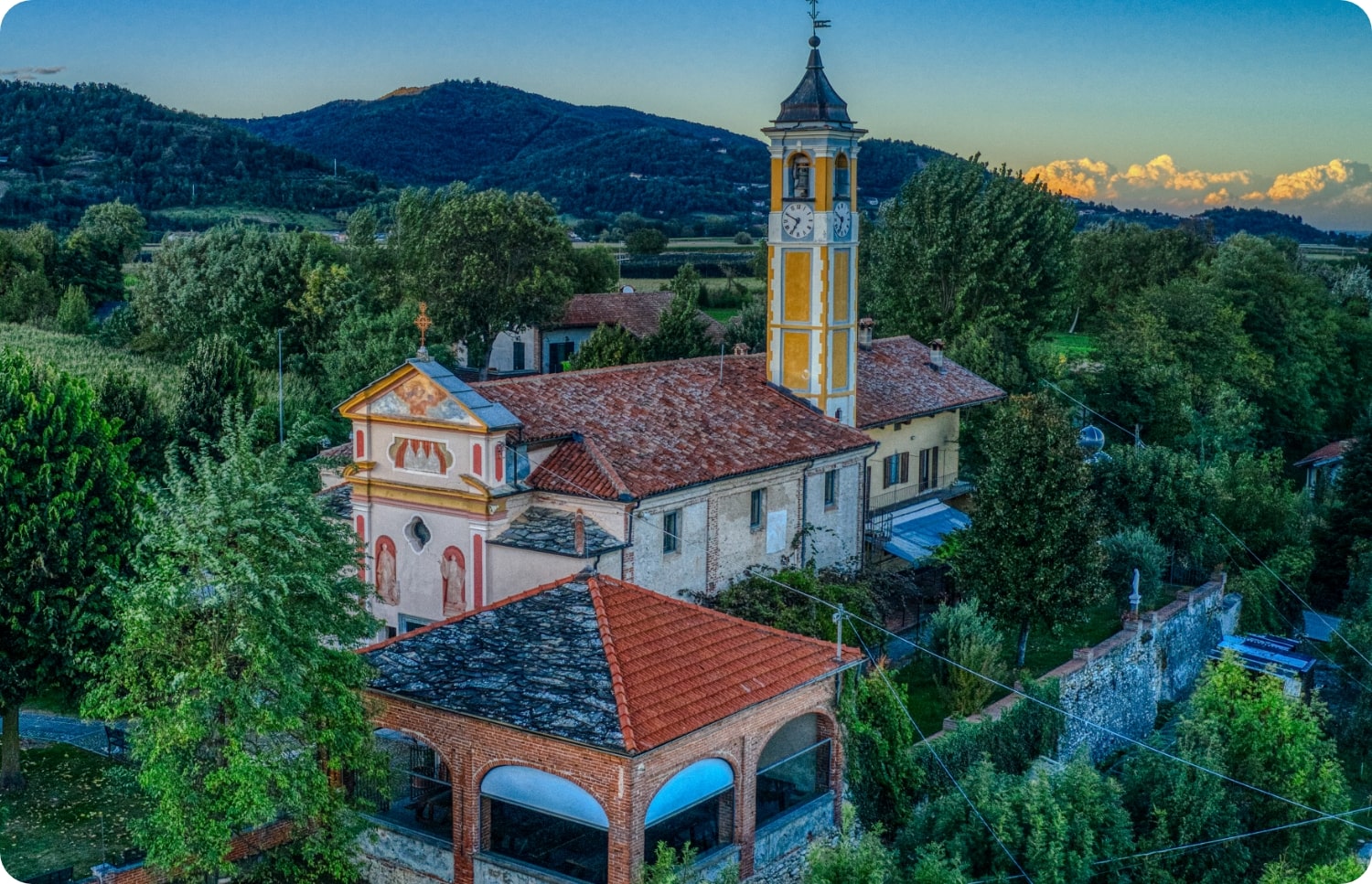
The Sanctuary of St Mauro, situated within the parish of Castelletto Busca, dates back to the late 17th century. During his pastoral visit in 1697, the Bishop of Fossano, Maurizio Bertona, found a chapel that had been built on the initiative and at the expense of the local villagers and dedicated to St Mauro and St Anne.
The chapel was first enlarged around 1700; a second time around 1757; and a third time in 1878. From 1743 onwards, the church of San Mauro had a permanent chaplain paid for by the Massari. In 1817, the church of San Mauro, together with the Vicariate of Busca, was transferred from the Diocese of Fossano to that of Saluzzo. In 1936, Monsignor Giovanni Oberti, Bishop of Saluzzo, elevated the Chapel of San Mauro to the status of a sanctuary. Subsequent extensions to the church and the permanent presence of a chaplain became necessary due to the large numbers of pilgrims arriving from all over Piedmont, but particularly from the areas around Saluzzo and Fossano.
Saint Mauro, a disciple of Saint Benedict who lived in the 6th century AD at Montecassino, is venerated as the patron saint of the limbs and is celebrated on 15 January and throughout the month of May. The frescoes on the façade and vault of the church, painted in 1900–1901 by the internationally renowned painter Arnaud Giovanni senior of Caraglio, are of considerable artistic value.
Chapels painted by Biazaci brothers
Location details
Busca
Accesso parcheggio
SCARICA DETTAGLIO
Discover the “BUSCA, The Frescoes of the Biazaci Brothers” itinerary at the following link:
https://www.museodiffusocuneese.it/siti/dettaglio/article/busca-gli-affreschi-dei-fratelli-biazaci/
San Giacomo, Santo Stefano, San Sebastiano, San Martino
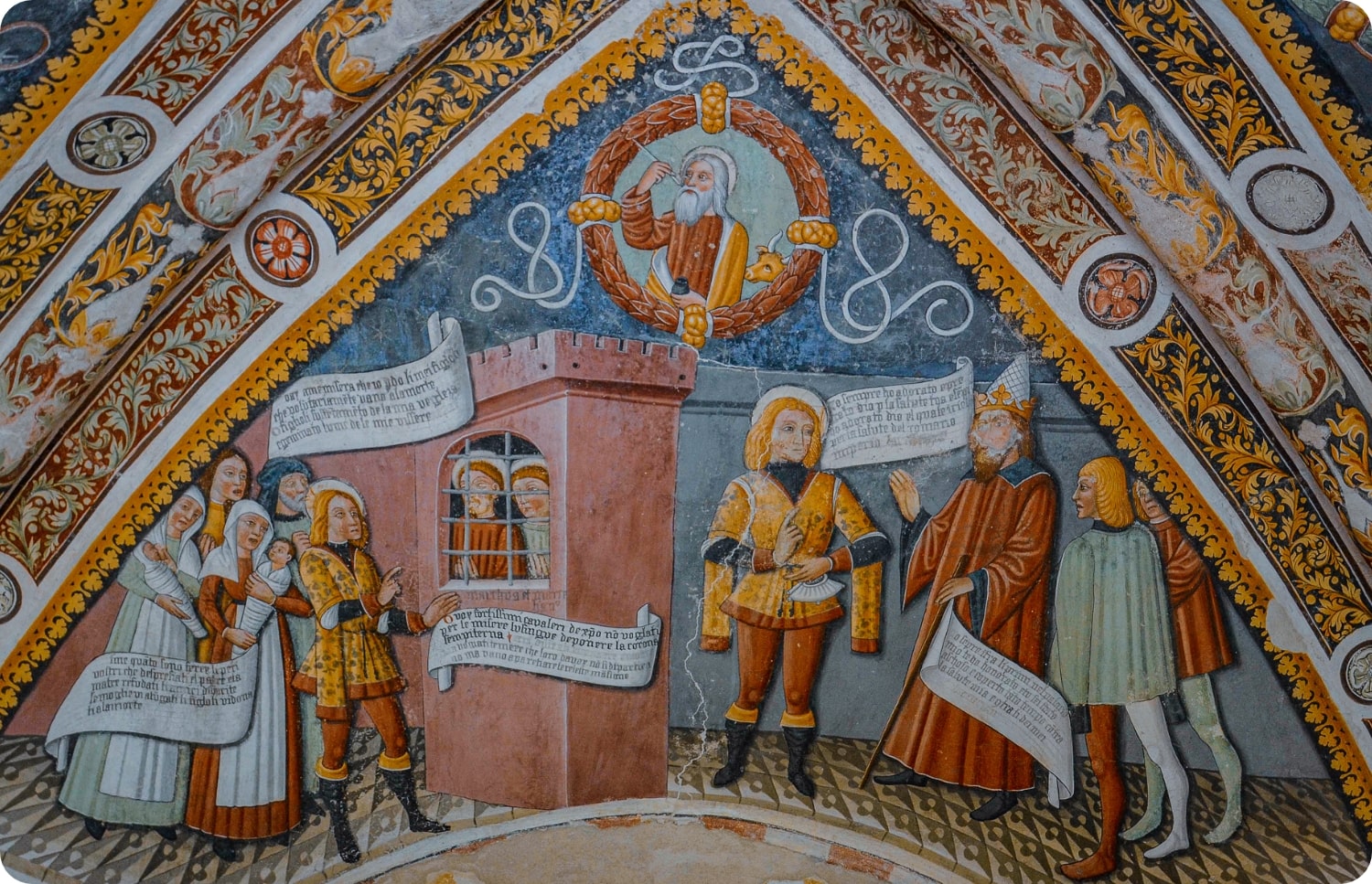
A tour of the painted chapels, with their frescoed treasures by the Biazaci brothers, whether in the hills or in the town, includes the chapels of St Stephen, St Sebastian, St Martin and the restored chapel of St James. Tommaso and Matteo Biazaci, brothers originally from Busca, ran an artists’ workshop during the second half of the 15th century, producing over thirty paintings, both frescoes and panel works, across the Cuneo plain, the valleys of the Marquisate of Saluzzo and the ancient diocese of Albenga.
Some of these sites, thanks to the “Museo Diffuso Cuneese” project, feature a QR code on the outside which, via a web portal, provides access to audio guides in three languages (Italian, English and French), with texts and research curated by Dr Laura Marino. Furthermore, via a simple app that can be downloaded free of charge onto smartphones and tablets, you can access the portal and use the guide independently, directly on site.


