

Location details

Della Rossa square, Busca, CN
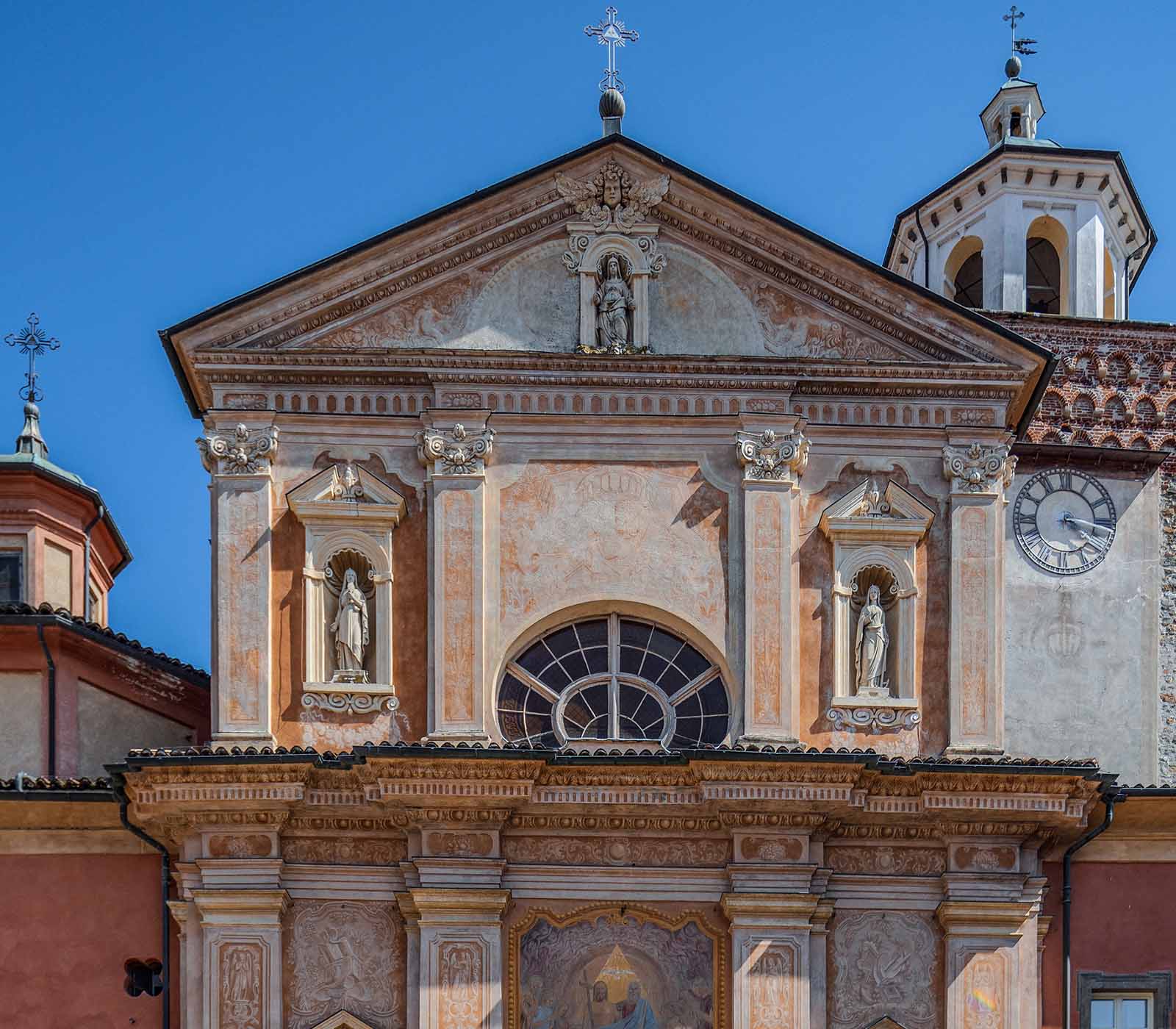
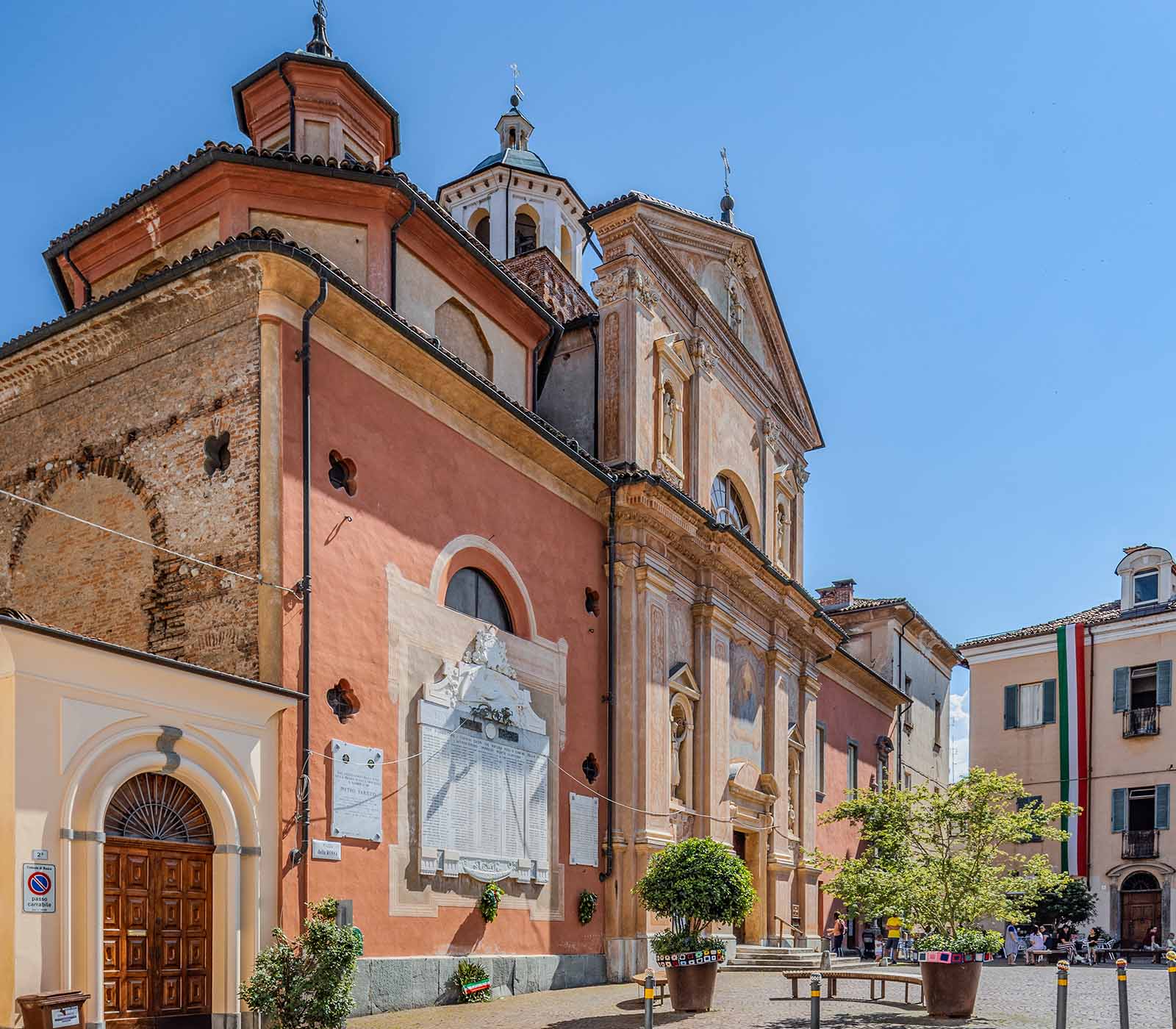
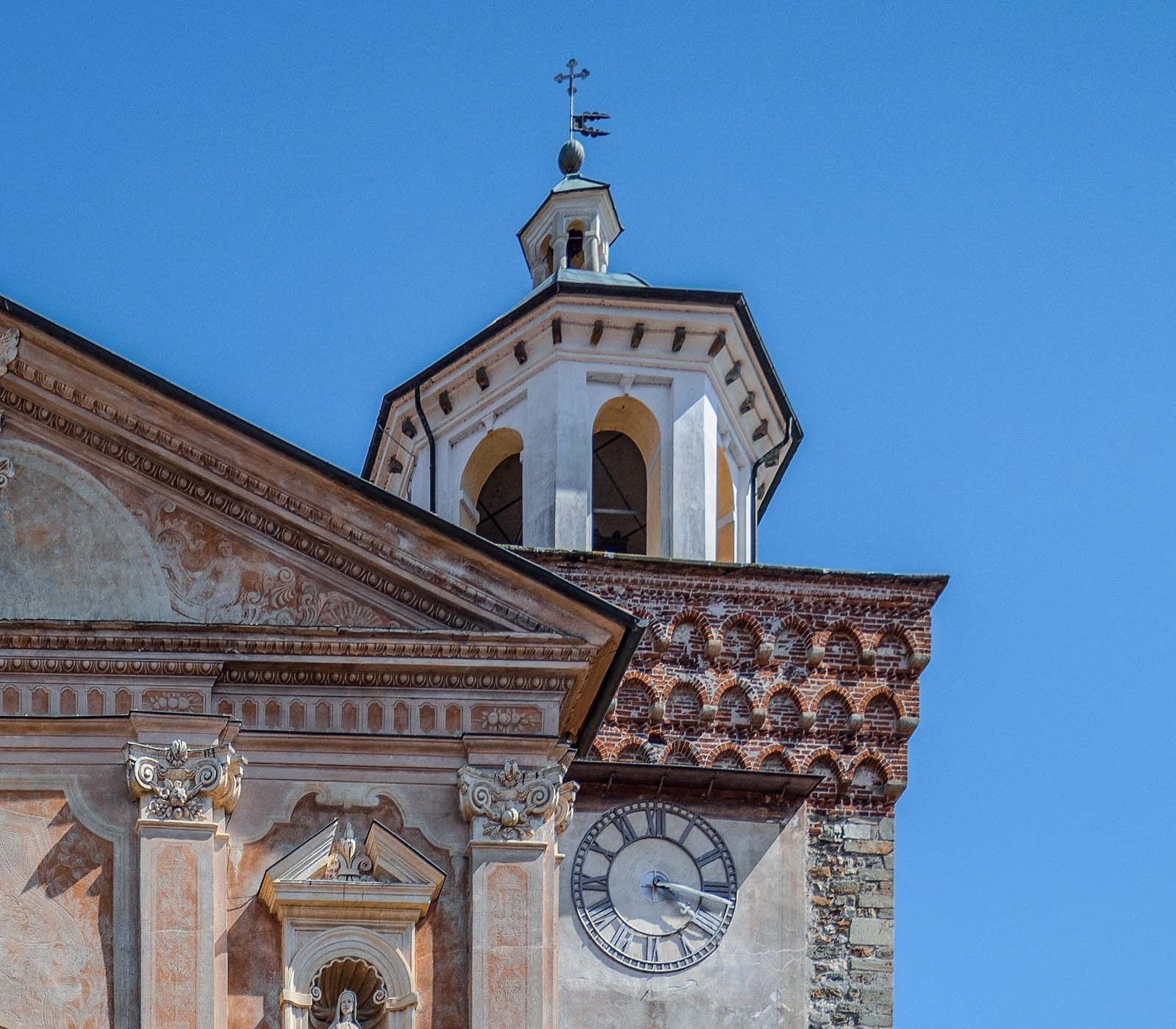
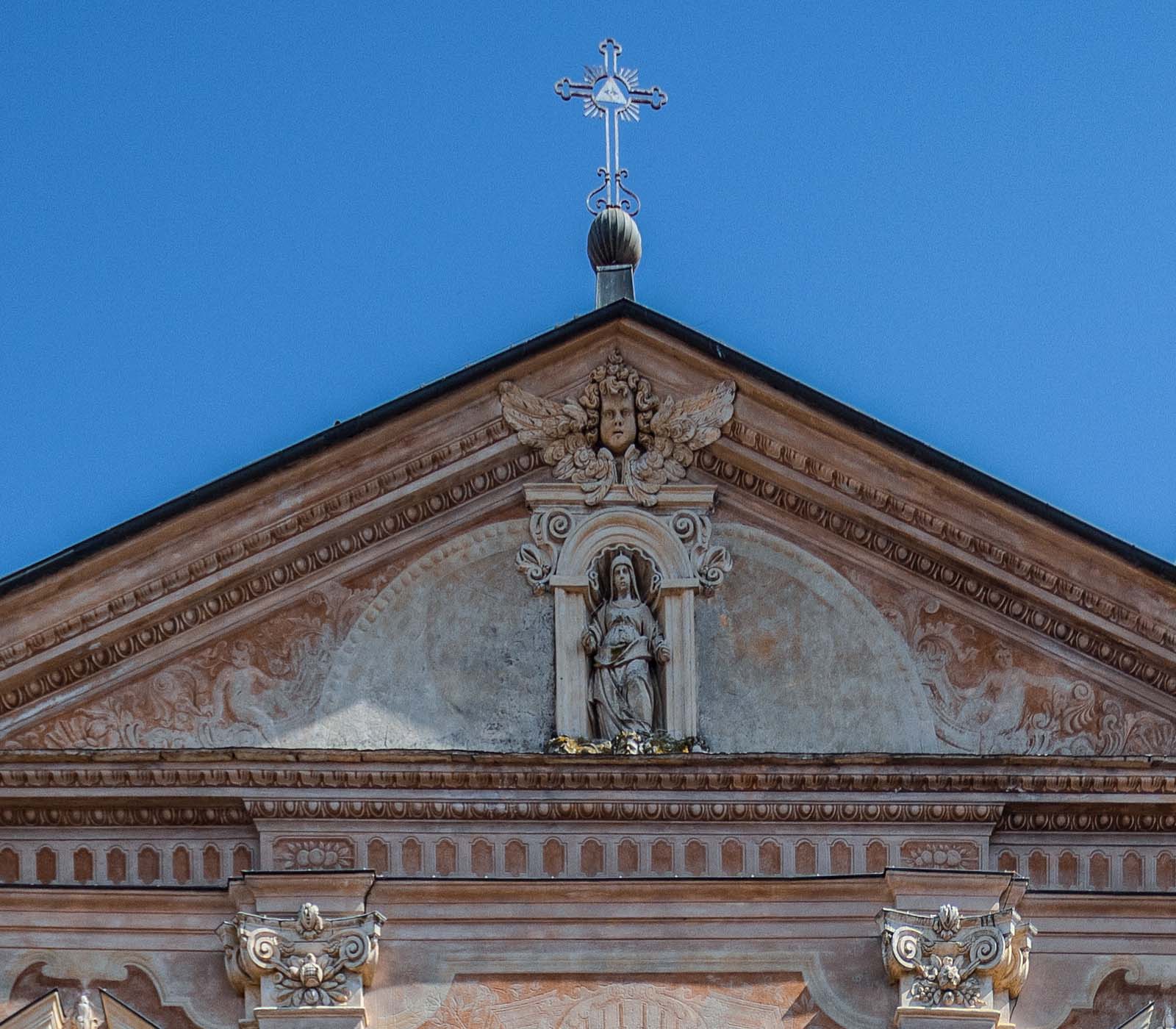
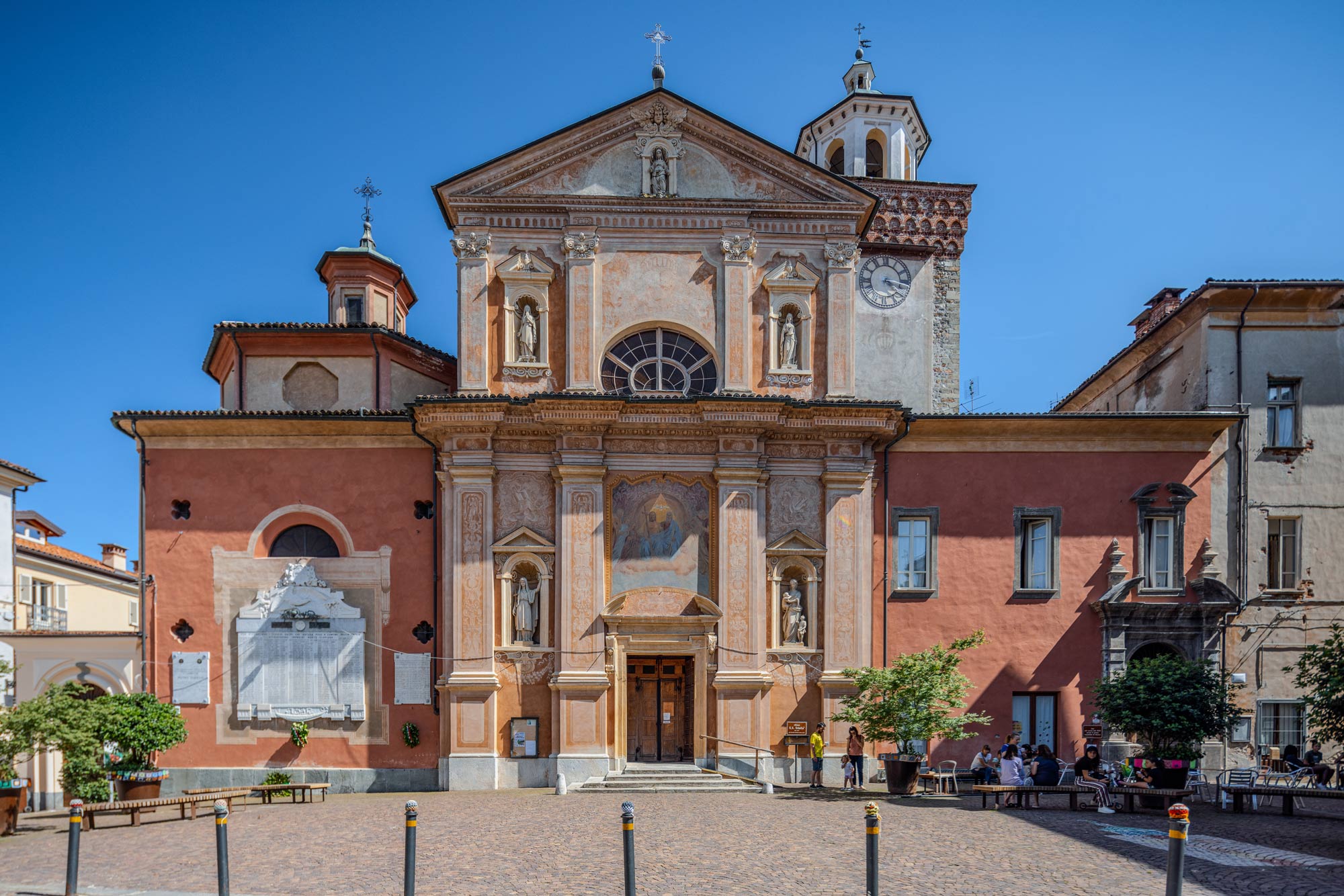
It is the oldest Baroque building in Busca, whose interior is enriched by the splendid painting by Giuseppe Dalamano - depicting the Holy Trinity crowning Mary - and by stucco decorations. It is a work of the highest quality, reminiscent of the Valentino Castle in Turin, which reveals the cultural advancement of Busca during the Savoy Carignano era. Of particular note are the large shell, the supporting herm at the entrance to the sacristy and the vine branches that mark the scenes from Genesis on the vaulted ceiling. The façade, restored in 2000, is divided into two orders and is enlivened by an interesting symbolic discourse presenting the theological virtues in the niches. The Busca alabaster balustrade is particularly beautiful.
The first chapel on the right as you enter is dedicated to the spinners, a thriving industry in Busca since the 17th century. It houses the altarpiece of St. Job and is closed by a splendid wrought iron gate dating back to 1765. The choir is of great value, with wooden furnishings carved by skilled craftsmen such as Rosso da Sospello and Gaspare Plazente.
To the right of the façade is the small shrine of the Madonnina, which can be accessed from inside the church, to the left of the entrance. It houses a painting of the Madonna, which was once located on Via d'Azeglio, at the corner of Via Umberto I. It is a 15th-century effigy, possibly an early work by the Biazaci family, which in 1745, at a time of great calamity for the city, brought the people of Busca together in prayer. For the graces received, the Madonnina became the miracle-working patron saint of the city, which honours her in August with the biggest festival of the year.